
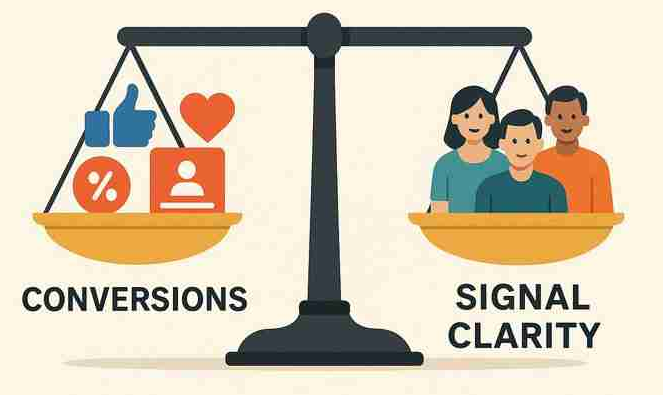
The Landing Page MVP Paradox: Why Persuasion Kills Your Market Signal
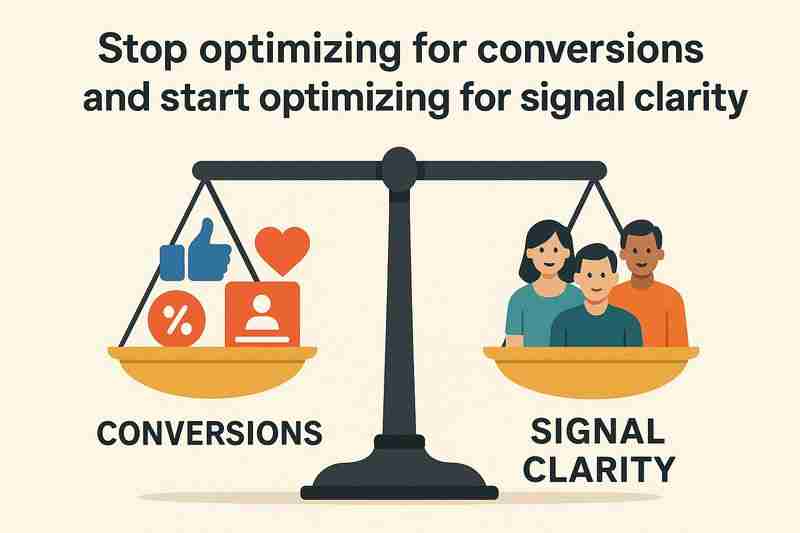
Stop optimizing for conversions and start optimizing for truth.
Here’s why your persuasive landing page MVP may be lying to you about market demand:
Most entrepreneurs approach early-stage validation like they’re building a sales page. They craft compelling headlines, use emotional triggers, and optimize every element for maximum conversions. The logic seems sound: more sign-ups mean more demand for their business idea, right?
This “persuasion-first” mindset is actually sabotaging the core purpose of MVP testing. When your landing page MVP is designed to convince rather than test, you’re no longer measuring genuine market demand – you’re measuring how good you are at marketing a concept that might not have real value.
The result?
Countless startups with impressive early metrics that completely flop when they launch their actual new product. They mistook persuasion success for market validation of their business idea.
Landing page MVPs should minimize persuasion to maximize signal clarity – the goal is honest demand validation, not conversion optimization.
Why Persuasive Testing Can Create Dangerous False Positives
When you optimize for conversions, you’re essentially running a marketing experiment, not a product experiment. High-converting tests often validate your ability to write compelling copy, not whether early adopters actually want your new product.
Consider the difference between these two responses to your business idea:
- “This sounds amazing! Sign me up!” (persuasion response)
- “I have this exact problem and would pay for this solution” (demand signal)
The first response comes from effective persuasion. The second indicates genuine market need that your MVP should capture.
The Psychology Behind False Signals
Persuasive techniques trigger emotional responses that don’t correlate with purchase behavior. When someone signs up because of compelling storytelling or fear-based messaging, they’re responding to the emotion, not evaluating whether your business idea solves a real problem.
This creates three types of false positives in business idea validation:
- Aspiration signups: People who want to be the type of person who would use your new product
- FOMO responses: Sign-ups driven by scarcity or social proof rather than genuine need
- Curiosity clicks: Interest in learning more without intention to purchase
Learn more about MVP validation principles from The Lean Startup methodology.
How to Design MVPs for Authentic Market Signals
Strip Away the Persuasion Layer from Your Business Idea Testing
Your MVP should present your business idea as neutrally as possible. Instead of “Revolutionary AI that will transform your business,” try “AI tool that automates invoice processing for small businesses.”
Here’s how to neutralize common persuasive elements when testing your new product concept:
Replace emotional headlines with descriptive ones:
- Before: “Finally, the productivity system that will change your life”
- After: “Task management app with automated scheduling and priority ranking”
Use features instead of benefits in your main copy:
- Before: “Never miss another important deadline again”
- After: “Sends deadline reminders 24 hours and 1 hour before due dates”
Present problems factually, not emotionally:
- Before: “Are you tired of wasting hours on manual data entry?”
- After: “Manual data entry typically takes 2-3 hours per day for small business owners”
Focus on Behavioral Signals Over Conversion Metrics
The quality of your signal matters more than the quantity. A smaller group of genuinely interested early adopters provides better validation than a large group of casual browsers.
Track these meaningful behaviors when testing your business idea:
- Time spent reading detailed product information
- Downloads of technical specifications or detailed guides
- Engagement with product demos or detailed walkthroughs
- Responses to follow-up surveys about specific use cases
- Willingness to schedule calls or provide detailed feedback
Ignore these vanity metrics:
- Overall conversion rate
- Social media shares
- General “interest” ratings
- Newsletter subscription rates without engagement
Implement Progressive Commitment Testing for Early Adopters
Instead of asking for just an email address, create a series of escalating commitments that filter early adopters who genuinely need your new product:
- Initial interest: Email signup
- Engagement test: Download detailed product guide or watch demo
- Intent verification: Complete survey about specific use cases and budget
- Commitment signal: Join waitlist with estimated pricing
- Purchase intent: Pre-order or deposit for early access
Each step should see a natural drop-off, but the people who complete all steps represent your most reliable demand signal for your business idea.
For more insights on progressive validation, check out my book Launch Tomorrow. It’s chock full of data, case studies, and mental models needed to get this right.


